Warm or uneven air
The system runs, but rooms stay warm or the airflow feels noticeably weaker than normal.
Cooling repair
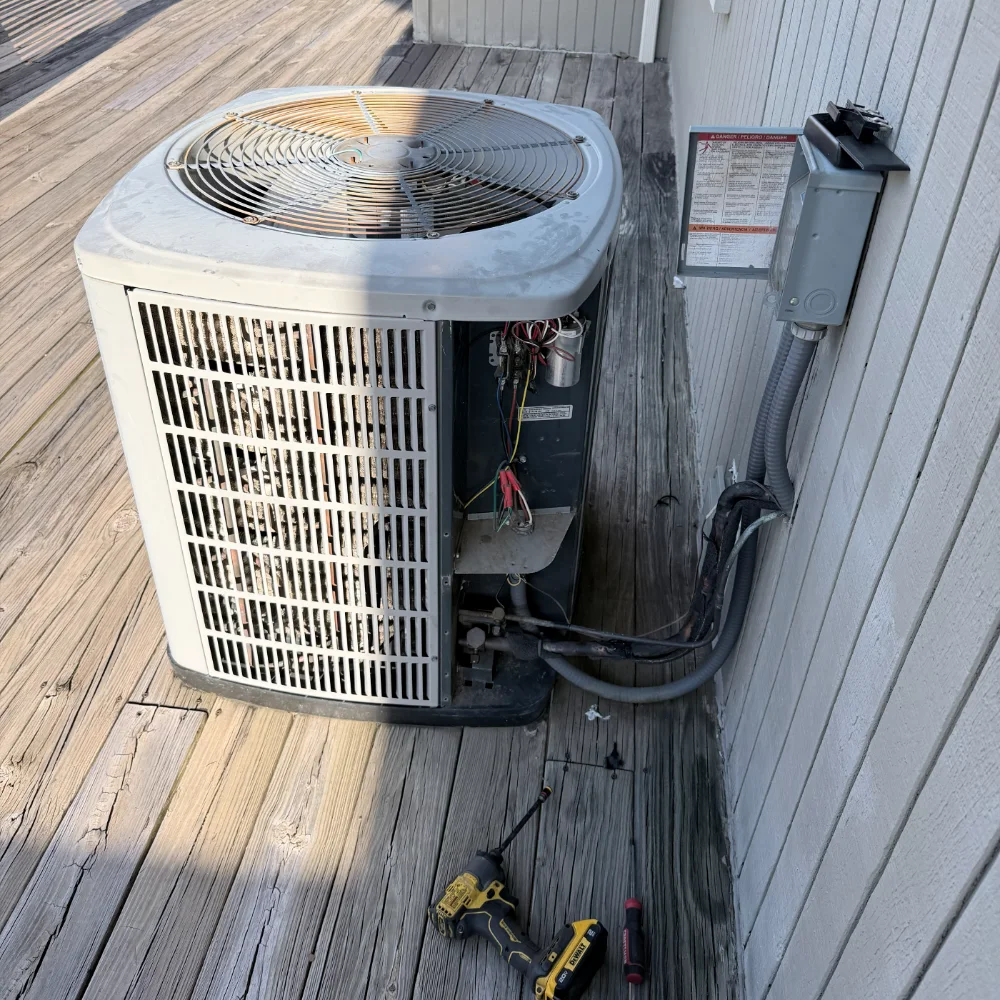
When the air conditioner is running but the house is not cooling, the problem may involve airflow, electrical controls, refrigerant, a motor, a capacitor, or another system component. A diagnosis separates the symptom from the cause before repair options are presented.
Straight answer
Warm air can come from several different faults, and the same symptom does not point to one automatic repair. Start with the system condition, airflow, electrical operation, refrigerant circuit, and the way the equipment is behaving. The useful next step is a diagnosis followed by firm options based on what is actually found.
Before you call
The system runs, but rooms stay warm or the airflow feels noticeably weaker than normal.
Ice-like buildup, water near the equipment, or repeated freezing points to a condition that needs diagnosis rather than guesswork.
Repeated cycling, a unit that will not start, or a new mechanical or electrical sound can help narrow the inspection.
Recurring trouble deserves a fresh look at the system instead of assuming the last symptom has the same cause.
What happens next
Share what the system is doing, when the problem began, and any noise, moisture, ice, or airflow change you noticed.
The equipment is checked for the condition behind the symptom, including relevant airflow, electrical, refrigerant, motor, capacitor, and control issues.
Air-Exx explains the finding and presents practical options so you can decide what fits the system and the situation.
Useful context
Age, repair history, wear, and the condition of major components all affect whether a repair is sensible.
A cooling complaint may involve more than the outdoor unit, so room comfort and airflow belong in the conversation.
If the issue is substantial or recurring, compare the repair with the remaining condition of the system rather than deciding from one part alone.
Questions that change the decision
Warm air can result from an airflow restriction, an electrical or control problem, a refrigerant-side issue, or equipment that is not operating correctly. Because those causes need different work, the symptom should be diagnosed before a repair is chosen.
Freezing can be connected to restricted airflow, operating conditions, or a refrigerant-side problem. Turn the system off if ice is building and have the cause checked before restarting it repeatedly.
Consider the specific fault, the system's overall condition, repair history, comfort problems, and the useful life left in the equipment. A good decision compares those factors and presents firm options rather than treating every failure the same way.
Describe whether the system starts, what the air feels like, which rooms are affected, and any sound, ice, moisture, or recent change. Those details help frame the diagnosis without pretending to identify the cause over the phone.